The Met Orchestra tickets New York
The Met Orchestra will perform at Carnegie Hall in New York. Secure your tickets for this exceptional event now.

The Met Orchestra

The Met Orchestra will perform at Carnegie Hall in New York. Secure your tickets for this exceptional event now.
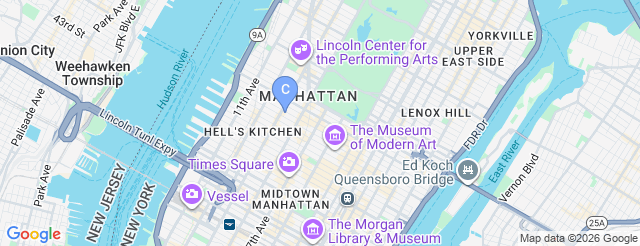 881 7th Ave, New York, NY, 10019
Experience an unforgettable evening of classical music as The Met Orchestra takes the stage at Carnegie Hall - Isaac Stern Auditorium on June 18, 2026. This prestigious venue in New York City is renowned for its exceptional acoustics and rich history, making it the perfect setting for a performance by one of the world's leading orchestras.
The Met Orchestra, celebrated for its artistic excellence and dynamic performances, will showcase a repertoire that highlights their versatility and mastery. With a history steeped in tradition, this orchestra has captivated audiences globally, and their upcoming concert promises to be no exception. Fans can expect to hear some of their top hits, alongside classic compositions that resonate with both seasoned concertgoers and newcomers alike.
Tickets for this highly anticipated event are expected to be in high demand. Based on previous performances, prices may range from $50 to $200, depending on seating preferences and availability. Early purchase is recommended to secure the best seats in the house. The seating chart at Carnegie Hall allows for an intimate experience, ensuring that every attendee can enjoy the nuances of the orchestra's performance.
In addition to the main event, attendees may also be treated to special opening acts that enhance the overall concert experience. The Met Orchestra's commitment to showcasing diverse talent ensures that each performance is unique and memorable. Positive reviews from past concerts highlight not only the orchestra's technical proficiency but also their ability to connect emotionally with the audience.
For those looking to immerse themselves in a night of exceptional music, securing tickets through ticketsny.org is a reliable option. With a focus on accessibility and customer satisfaction, fans can trust that their ticket-buying experience will be seamless. Don't miss this opportunity to witness The Met Orchestra live at Carnegie Hall - Isaac Stern Auditorium in New York City on June 18, 2026.

Steve Davis
April 16
· 9:00pm
Dizzys Club Coca-Cola

Deer Tick
June 09
· 7:00pm
Warsaw
Distant Worlds: The Music From Final Fantasy
June 12
· 8:00pm
Carnegie Hall - Isaac Stern Auditorium